

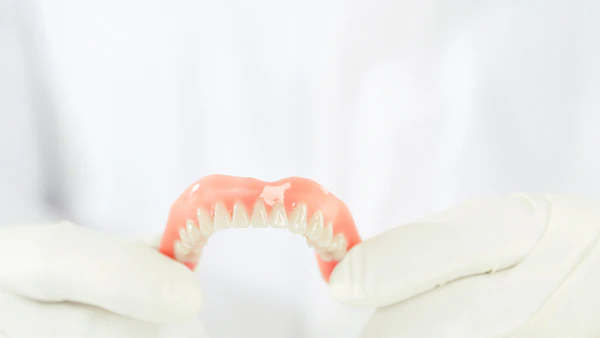
Getting a new set of dentures is an exciting step toward restoring your smile, but it can take a little time to feel completely comfortable with them. Whether you're replacing several missing teeth or transitioning to a full set of dentures, the first few weeks are an adjustment period. You may notice some soreness, changes in your speech, or difficulty eating certain foods as your mouth gets used to the new appliance.
The good news is that these experiences are common, and with patience, practice, and the right care, wearing dentures can become a natural part of your daily routine.
At berg Dental Group in Tacoma, WA, Dr. Brian Berg offers several denture options to help patients replace missing teeth and restore their smiles. Understanding what to expect and how to care for your new dentures can make the transition easier. Here are some helpful tips for navigating the first few weeks.
What to Expect When You First Get Dentures
Even when dentures are carefully designed to fit your mouth, they may feel unfamiliar at first. Your cheeks, tongue, and facial muscles need time to adjust to the new appliance, especially if this is your first experience wearing dentures.
During the initial adjustment period, you may notice:
- Soreness or tender spots: Your dentures may rub against your gums, creating areas of irritation as your mouth adapts.
- Increased saliva: Your mouth may initially produce more saliva in response to the new appliance.
- A feeling of fullness: Dentures can feel bulky or unfamiliar, particularly when you're not used to having them in your mouth.
- Changes in speech: Certain words and sounds may feel more difficult to pronounce until your tongue and lips adjust.
- Difficulty chewing: Eating may require more effort at first as you learn how to use your dentures comfortably.
These changes are generally temporary. However, significant pain, persistent irritation, or dentures that feel loose should be evaluated by your dentist rather than ignored.
Tips for Eating With New Dentures
One of the biggest adjustments for new denture wearers is learning how to eat comfortably. Dentures restore much of the function of natural teeth, but chewing may feel different at first. Starting with softer foods and gradually introducing more variety can help you build confidence.
Try these tips as you adjust:
Start With Soft Foods
For the first several days, choose foods that require minimal chewing. Scrambled eggs, yogurt, mashed potatoes, oatmeal, cooked vegetables, and soft fish are good options.
As your comfort improves, you can gradually introduce firmer foods. There's no need to rush the process. Pay attention to how your mouth feels and adjust your meals accordingly.
Take Small Bites
Cut food into smaller pieces rather than biting into large portions. This makes chewing easier and helps reduce unnecessary pressure on your dentures.
Chew on Both Sides
Try to distribute food evenly between both sides of your mouth. Chewing on just one side can cause dentures to shift or become unstable.
Avoid Sticky and Hard Foods at First
Certain foods can be especially challenging while you're getting used to dentures. Caramel, chewing gum, hard candies, nuts, and very tough meats may pull on your dentures or create uncomfortable pressure.
You can gradually explore a wider variety of foods as your dentist confirms that your dentures are fitting properly.
Take Your Time
Eating with dentures is a learned skill. Give yourself extra time during meals, chew slowly, and don't get discouraged if certain foods feel difficult at first. With practice, many everyday meals will become easier to enjoy.
How to Get Used to Speaking With Dentures
It's also normal for speech to feel a little different when you first start wearing dentures. You might notice a slight lisp, difficulty pronouncing certain sounds, or a feeling that your tongue doesn't have as much room.
This happens because your tongue and lips are adapting to the shape and position of the new appliance.
Here are a few ways to practice:
- Read aloud: Reading a book, article, or newspaper out loud gives you an opportunity to practice different sounds and words.
- Repeat challenging words: If certain sounds are difficult, practice saying those words slowly and clearly.
- Speak at a comfortable pace: Slowing down slightly can help you feel more confident while your speech adjusts.
- Practice conversations: Talking with family and friends is a natural way to become more comfortable speaking with dentures.
If your dentures repeatedly slip while talking or make it difficult to speak clearly after an adjustment period, schedule a follow-up appointment. Your dentist can evaluate the fit and determine whether adjustments are needed.
How to Clean and Care for Your New Dentures
Proper denture care is important for maintaining your appliance, protecting your oral health, and keeping your smile looking its best. Even though dentures aren't natural teeth, they can still collect food particles, plaque, and bacteria.
Follow these daily care tips:
Clean Your Dentures Every Day
Remove and clean your dentures daily using a soft-bristled denture brush and a denture cleanser recommended by your dentist. Avoid regular toothpaste unless your dentist specifically recommends it, since some formulas can be too abrasive and scratch the denture surface.
Be gentle while brushing, and clean all surfaces where food and plaque can collect.
Rinse After Meals
If possible, remove your dentures and rinse them after eating to wash away food particles. This can help keep your appliance clean throughout the day.
Clean Your Gums and Remaining Teeth
Your oral hygiene routine should include your entire mouth, not just your dentures. Gently brush your gums, tongue, and the roof of your mouth. If you have remaining natural teeth, continue brushing and flossing them as directed by your dentist.
Keeping your oral tissues clean helps reduce irritation and supports overall oral health.
Soak Your Dentures as Recommended
Many removable dentures need to stay moist when they're not being worn. Use water or a denture-soaking solution according to your dentist's instructions and the product directions.
Never use hot or boiling water, as high temperatures can warp the appliance.
Handle Dentures Carefully
Dentures can break if dropped, so handle them over a folded towel or a sink filled with water when cleaning them. Avoid bending or adjusting any components yourself.
Your dentist can address fit concerns and make necessary modifications safely.
When Should You Visit the Dentist for Denture Adjustments?
Follow-up appointments are an important part of getting used to new dentures. Even a custom-made appliance may need minor adjustments once you've started wearing it regularly.
During the first few weeks, your dentist can check for areas where the dentures may be rubbing against your gums, evaluate how your bite comes together, and make changes to improve comfort and stability.
You should contact your dentist if you experience:
- Persistent soreness or painful pressure points.
- Gum irritation or sores that don't improve.
- Dentures that slip or move while eating or speaking.
- Difficulty chewing even after practicing with softer foods.
- A bite that feels uneven or uncomfortable.
- Cracks, chips, or damage to the appliance.
Don't try to reshape or repair your dentures at home. Small adjustments made by your dentist can make a meaningful difference in how they fit and feel.
It's also important to understand that your mouth changes over time. After tooth extractions, the gums and underlying bone gradually heal and change shape. This can affect how immediate dentures fit, sometimes making a reline or additional adjustments necessary.
Even after you've become comfortable wearing your dentures, routine dental visits remain important. Your dentist can monitor your oral tissues, check the condition of your appliance, and determine whether it needs maintenance or replacement.
What Types of Dentures Are Available at berg Dental Group?
Not everyone needs the same type of denture. The right option depends on how many teeth are missing, the condition of your remaining teeth, and your individual goals.
At berg Dental Group, Dr. Berg offers several denture options:
Immediate Dentures
Immediate dentures, also called same-day dentures, are placed after tooth extractions. They're designed to restore your smile right away while also providing protection for the healing gum tissue.
Because your gums and jawbone change as they heal, immediate dentures may require adjustments or relining over time to maintain a comfortable fit.
Complete Dentures
Complete dentures replace an entire arch of missing teeth. These removable appliances are custom-made to restore the appearance and function of natural teeth while supporting facial muscles and helping improve chewing and speech.
Partial Dentures
Partial dentures are used when some natural teeth remain. They contain one or more replacement teeth attached to a removable base, filling gaps in your smile while restoring function and appearance.
Flipper Dentures
A flipper is a removable partial denture designed to replace one or more missing teeth. It's often used as a temporary option while waiting for a more permanent restoration, although it may also serve as a longer-term solution in certain situations.
During a denture consultation, Dr. Berg will evaluate your smile, discuss your goals, and help determine which option best fits your needs.
Be Patient During the Adjustment Period
Getting used to new dentures doesn't happen overnight. The first few weeks may involve some trial and error as you learn to eat, speak, and care for your appliance. It's important to give yourself time and communicate with your dentist if something doesn't feel right.
With proper adjustments and consistent care, dentures can help restore your ability to chew, speak, and smile with greater confidence.
Find the Right Dentures for Your Smile at berg Dental Group in Tacoma, WA
If you're missing teeth or preparing to receive a new set of dentures, having the right dental team can make a difference in your experience. At berg Dental Group, Dr. Brian Berg works with patients to find denture solutions that support their comfort, appearance, and everyday function.
Whether you're considering immediate, complete, partial, or flipper dentures, the team can help you understand your options and create a treatment plan based on your needs.
To learn more about dentures in Tacoma, WA, contact berg Dental Group and schedule a consultation today.


